Introduction to Textile Softener
Textile softeners are chemical substances used to improve the softness, smoothness, and flexibility of textiles. They work by reducing the friction between fibers, giving fabrics a more comfortable hand – feel. These softeners can be applied to various types of textiles, including natural fibers like cotton and wool, as well as synthetic fibers such as polyester and nylon. They are widely used in the textile industry during the finishing process, enhancing the overall quality and marketability of the products. There are different types of textile softeners, such as cationic, anionic, non – ionic, and amphoteric softeners, each with its own characteristics and application scenarios. Textile Softener
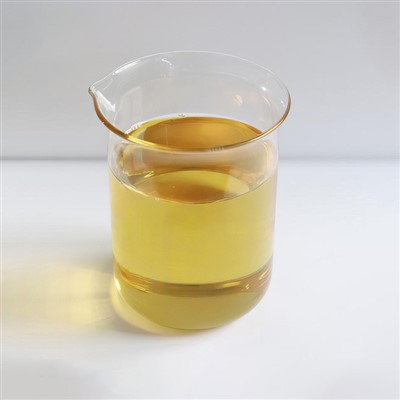
10 Leading Textile Softener Factories
1. Nanfeng Dasun Technology Co., Ltd.
Nanfeng Dasun Technology Co., Ltd. is a well – established enterprise in the field of textile chemicals. It has a long – standing reputation for its high – quality textile softeners and other chemical products. The company is committed to research and development, constantly innovating to meet the changing needs of the textile industry. Their products are not only effective in softening textiles but also environmentally friendly, which is in line with the global trend of sustainable development.
Characteristics in Textile Softener:
- High – performance softening: Their textile softeners can provide excellent softness to a wide range of fabrics, making the treated textiles feel smooth and comfortable against the skin.
- Good compatibility: They are compatible with various dyes and other textile auxiliaries, ensuring a seamless integration into the textile finishing process.
- Long – lasting effect: The softening effect can last through multiple washes, maintaining the quality of the textiles over time.
Advantages:
- Advanced technology: The company invests heavily in research and development, using the latest technologies to produce high – quality softeners.
- Quality control: They have a strict quality control system in place, ensuring that every batch of products meets the highest standards.
- Customer service: Nanfeng Dasun Technology Co., Ltd. provides excellent customer service, offering technical support and after – sales service to its clients.
Website: https://www.honechem.org/
2. Dow Chemical Company
Dow is a global leader in the chemical industry with a long history and a vast product portfolio. In the field of textile softeners, Dow has developed a range of innovative solutions. Their R & D teams are constantly exploring new materials and technologies to improve the performance of textile softeners.
Characteristics in Textile Softener:
- Versatility: Dow’s textile softeners can be used on different types of fibers, from natural to synthetic, providing consistent softening results.
- Enhanced functionality: Some of their softeners not only soften the fabric but also offer additional functions such as anti – static properties and wrinkle resistance.
- Stability: The products are stable under different processing conditions, ensuring reliable performance during the textile finishing process.
Advantages:
- Global presence: With a wide network of production facilities and sales offices around the world, Dow can quickly respond to the needs of customers in different regions.
- Strong R & D capabilities: The company invests a large amount of resources in research and development, enabling it to stay at the forefront of technological innovation.
- Brand reputation: Dow is a well – known and trusted brand in the chemical industry, which gives customers confidence in the quality of its products.
3. BASF SE
BASF is a German multinational chemical company. It has a comprehensive range of textile chemicals, including high – quality textile softeners. The company focuses on sustainable development and aims to provide products that are both effective and environmentally friendly.
Characteristics in Textile Softener:
- Eco – friendly formulations: BASF’s textile softeners are formulated with a focus on reducing environmental impact, using biodegradable materials and minimizing the use of harmful substances.
- Customizable solutions: They can provide customized textile softeners according to the specific requirements of different customers, such as different fabric types and processing conditions.
- High – efficiency performance: The softeners can achieve excellent softening results with a relatively low dosage, reducing the cost for textile manufacturers.
Advantages:
- Sustainable development commitment: BASF’s emphasis on sustainability is in line with the global trend, which helps customers meet their environmental goals.
- Technical expertise: The company has a team of experts in textile chemistry, providing in – depth technical support to customers.
- Quality assurance: BASF has a strict quality management system, ensuring the consistency and reliability of its products.
4. Huntsman Corporation
Huntsman is a global manufacturer and marketer of differentiated chemicals. In the textile softener market, it offers a variety of products that are known for their high performance and quality.
Characteristics in Textile Softener:
- Softening with a unique hand – feel: Huntsman’s textile softeners can impart a unique and luxurious hand – feel to fabrics, making them stand out in the market.
- Good color fastness compatibility: They do not affect the color fastness of dyed fabrics, ensuring that the colors remain vibrant after softening treatment.
- Heat resistance: The softeners can withstand high – temperature processing, which is suitable for various textile finishing processes.
Advantages:
- Product innovation: Huntsman is constantly innovating its product line, introducing new and improved textile softeners to meet the evolving needs of the market.
- Global supply chain: The company has a well – established global supply chain, ensuring timely delivery of products to customers around the world.
- Industry experience: With decades of experience in the chemical industry, Huntsman has a deep understanding of the textile market and can provide effective solutions.
5. Clariant AG
Clariant is a Swiss specialty chemicals company. It offers a range of textile softeners that are designed to meet the diverse needs of the textile industry.
Characteristics in Textile Softener:
- Specialty softening solutions: Clariant provides specialty softeners for specific applications, such as softeners for high – end fashion fabrics and technical textiles.
- Antimicrobial properties: Some of their softeners have built – in antimicrobial functions, which can enhance the hygiene of the treated textiles.
- Low – foaming: The softeners have low – foaming characteristics, which is beneficial for continuous textile processing operations.
Advantages:
- Expertise in specialty chemicals: Clariant’s focus on specialty chemicals allows it to develop unique and high – value textile softeners.
- Global R & D network: The company has a global R & D network, enabling it to quickly adapt to local market needs and develop new products.
- Customer – centric approach: Clariant places great emphasis on customer satisfaction, providing personalized solutions and support.
6. Croda International Plc
Croda is a British specialty chemicals company. It has a strong presence in the textile softener market, offering innovative and high – quality products.
Characteristics in Textile Softener:
- Natural and sustainable ingredients: Croda uses natural and sustainable ingredients in its textile softeners, which are popular among environmentally conscious customers.
- Softening with a smooth finish: The softeners can give fabrics a smooth and silky finish, enhancing the overall appearance and feel of the textiles.
- Compatibility with natural fibers: They are particularly effective on natural fibers, such as cotton and wool, preserving the natural properties of the fibers.
Advantages:
- Sustainable sourcing: Croda’s commitment to sustainable sourcing of raw materials makes its products more attractive in the market.
- Technical innovation: The company invests in research and development to continuously improve the performance of its textile softeners.
- Global market reach: Croda has a wide global market reach, allowing it to serve customers in different regions.
7. Lubrizol Corporation
Lubrizol is an American specialty chemical company. It offers a range of textile softeners that are known for their high – performance and reliability.
Characteristics in Textile Softener:
- High – molecular – weight softening agents: Lubrizol’s softeners use high – molecular – weight agents, which can provide long – lasting softening effects.
- Improved fabric strength: Some of their softeners can also improve the strength of the fabrics, reducing the risk of breakage during processing and use.
- Easy dispersion: The softeners are easy to disperse in water, making them convenient for use in textile finishing processes.
Advantages:
- Advanced polymer technology: Lubrizol’s expertise in polymer technology allows it to develop high – performance textile softeners.
- Quality control and testing: The company has a rigorous quality control and testing system, ensuring the consistency and quality of its products.
- Customer support: Lubrizol provides comprehensive customer support, including technical advice and troubleshooting.
8. Evonik Industries AG
Evonik is a German specialty chemicals company. It offers a variety of textile softeners that are designed to meet the specific needs of the textile industry.
Characteristics in Textile Softener:
- Silicone – based softeners: Evonik is well – known for its silicone – based textile softeners, which can provide excellent softness and smoothness to fabrics.
- Hydrophobic properties: Some of their softeners can impart hydrophobic properties to the textiles, making them water – repellent.
- UV resistance: The softeners can also offer some degree of UV resistance, protecting the fabrics from sun damage.
Advantages:
- Silicone technology leadership: Evonik’s leadership in silicone technology gives it an edge in the production of high – quality textile softeners.
- Global manufacturing and distribution: The company has a global manufacturing and distribution network, ensuring efficient supply of products to customers.
- Research and development focus: Evonik invests in R & D to continuously improve its product portfolio and develop new solutions.
9. Stepan Company
Stepan is an American specialty chemicals company. It has a range of textile softeners that are popular in the market for their quality and performance.
Characteristics in Textile Softener:
- Cationic softeners: Stepan offers a variety of cationic textile softeners, which are known for their good softening effect on synthetic fibers.
- Biodegradable options: The company also provides biodegradable textile softeners, which are environmentally friendly.
- Low – odor products: Some of their softeners have a low – odor formula, which is beneficial for applications where odor is a concern.
Advantages:
- Product diversity: Stepan’s diverse product portfolio allows it to meet the different needs of customers in the textile industry.
- Environmental responsibility: The company’s commitment to environmental responsibility makes its products more attractive to environmentally conscious customers.
- Technical service: Stepan provides technical service to its customers, helping them optimize the use of its textile softeners.
10. AkzoNobel N.V.
AkzoNobel is a Dutch multinational company. It offers a range of textile softeners that are well – regarded in the industry for their quality and innovation.
Characteristics in Textile Softener:
- Multifunctional softeners: AkzoNobel’s textile softeners can offer multiple functions, such as softening, anti – static, and anti – microbial properties in a single product.
- Good adhesion: The softeners have good adhesion to the fabric fibers, ensuring a long – lasting effect.
- Compatibility with different processes: They are compatible with various textile processing methods, including batch and continuous processes.

Advantages:
- Innovation and R & D: AkzoNobel invests in innovation and R & D to develop new and improved textile softeners.
- Global brand recognition: The company’s global brand recognition gives customers confidence in the quality of its products.
- Comprehensive product range: AkzoNobel offers a comprehensive range of textile softeners, allowing customers to choose the most suitable product for their needs.
Textile Softener In conclusion, these 10 leading textile softener factories play a crucial role in the global textile industry. Each of them has its own unique characteristics and advantages, and they are constantly striving to improve their products and services to meet the ever – changing needs of the market.
