Hey there! As a supplier in the world of solar poles, I’ve been diving deep into the nitty – gritty of what these things mean for interplanetary magnetic fields. You might be scratching your head and thinking, "What on earth (or rather, off – earth) do solar poles have to do with interplanetary magnetic fields?" Well, stick around, and I’ll break it all down for you. Solar Pole
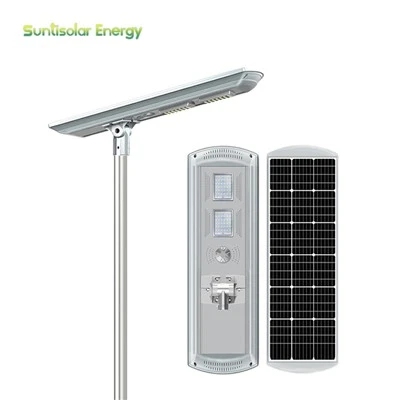
Let’s first get a handle on what solar poles are. In a nutshell, solar poles are basically long, vertical structures that support solar panels. They’re super important for solar energy systems, as they help position the panels in the best way to soak up sunlight. But here’s the cool part: the sun itself has its own "poles" – the solar north and south poles. These solar poles are key players in the whole solar magnetic field game.
The sun is a massive ball of hot, ionized gas, and it has a magnetic field that’s constantly in flux. The solar poles are where the magnetic field lines emerge and re – enter the sun’s surface. Every 11 years or so, the sun goes through a solar cycle, and during this cycle, the magnetic polarity of the solar poles flips. That means the north pole becomes the south pole, and vice versa.
Now, how does all of this tie into interplanetary magnetic fields? Well, the sun’s magnetic field extends far beyond its surface and into the solar system. This extended magnetic field is what we call the interplanetary magnetic field (IMF). The solar poles are like the control centers for the IMF.
When the solar poles are in a stable state, the IMF has a relatively ordered structure. The magnetic field lines from the solar poles stream out into space, creating a kind of "magnetic highway" for charged particles. These charged particles, mainly protons and electrons, are constantly being ejected from the sun in what’s called the solar wind. The IMF guides the solar wind as it travels through the solar system, affecting everything from the planets’ magnetospheres to the radiation environment in space.
But when the solar poles start to flip during the solar cycle, things get a bit crazy. The magnetic field lines near the poles become all tangled up, and this chaos spreads out into the IMF. The solar wind can become more turbulent, and the density and speed of the charged particles can change significantly.
One of the most noticeable effects of these changes in the IMF is on Earth’s magnetic field. Our planet has its own protective magnetic shield, which helps deflect the solar wind and protect us from harmful radiation. When the IMF is disrupted due to solar pole flips, it can interact with Earth’s magnetic field in strange ways.
Sometimes, this interaction can lead to geomagnetic storms. These storms can cause beautiful auroras at the poles, but they can also have some negative impacts. For example, they can disrupt satellite communications, interfere with power grids, and even pose a risk to astronauts in space.
Another effect of the solar poles on the IMF is on the heliosphere. The heliosphere is the region of space that’s dominated by the sun’s magnetic field and solar wind. It acts as a kind of protective bubble around the solar system, shielding us from galactic cosmic rays. When the solar poles flip and the IMF is disrupted, the shape and size of the heliosphere can change. This can affect the amount of galactic cosmic rays that enter the solar system, which in turn can have implications for space exploration and even the climate on Earth.
Now, let’s talk about how we, as a solar pole supplier, fit into all of this. While we’re mainly focused on the physical solar poles that support solar panels on Earth, understanding the science behind the sun’s poles and the IMF is crucial. It gives us a better understanding of the overall solar environment, which can impact the performance of solar energy systems.
For example, if we know that solar activity is high during certain phases of the solar cycle, we can design more robust solar poles. These poles need to be able to withstand any potential disruptions caused by the enhanced solar wind or geomagnetic storms. This means making sure they’re made of strong materials and are properly grounded to protect the solar panels from electrical surges.
Also, as the demand for solar energy continues to grow, more and more people are looking to install solar panels in remote areas. These areas are often more exposed to the elements and the effects of the changing IMF. By having a good grasp of the science related to solar poles and the IMF, we can offer better advice to our customers on how to install and maintain their solar energy systems for optimal performance.
So, if you’re in the market for solar poles, whether you’re a homeowner looking to go solar or a large – scale solar energy project developer, we’ve got you covered. We’re not just a supplier; we’re your partners in the solar energy journey. We understand the science behind the sun, the solar poles, and the interplanetary magnetic fields, and we use that knowledge to provide you with the best products and advice.

If you’re interested in learning more about our solar poles or want to discuss a potential purchase, don’t hesitate to reach out. We’re always happy to have a chat and answer any questions you might have. Whether it’s about the durability of our poles, their installation process, or how they can withstand the effects of the changing solar environment, we’re here to help. So, let’s start a conversation and see how we can work together to make your solar energy dreams a reality.
Rural Road Stand Alone Solar Street Light References
- NASA’s Scientific Publications on Solar Physics
- Journal of Geophysical Research: Space Physics
- Reviews in Geophysics
Yantai Xutai New Energy Technology Co., Ltd.
Yantai Xutai New Energy Technology Co., Ltd. is one of the most professional solar pole manufacturers and suppliers in China. With a professional production team, we are able to meet the needs of the majority of our customers. Please rest assured to buy premium solar pole made in China here from our factory.
Address: No.229, Tongshinan Road, Zhifu District, Yantai City, Shandong Province, China
E-mail: Joe.chu@suntisolar.com
WebSite: https://www.suntisolar.com/
