How does the stator work in a DC gearmotor?
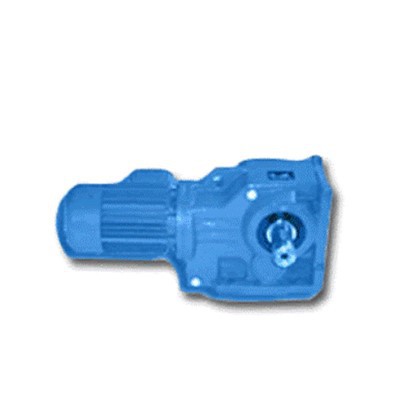
As a supplier of DC gearmotors, I’ve had the privilege of witnessing the intricate dance of components that bring these remarkable devices to life. Among these components, the stator plays a pivotal role in the functionality and efficiency of a DC gearmotor. In this blog, I’ll delve into the inner workings of the stator, exploring its design, principles of operation, and the impact it has on the overall performance of the motor. DC Gearmotor
Understanding the Basics of a DC Gearmotor
Before we dive into the stator, let’s briefly review the fundamental components and operation of a DC gearmotor. A DC gearmotor combines a DC motor with a gearbox to provide a compact and efficient solution for various applications. The DC motor converts electrical energy into mechanical energy through the interaction of magnetic fields, while the gearbox reduces the speed and increases the torque of the motor output.
The main components of a DC motor include the stator, rotor, commutator, brushes, and permanent magnets or electromagnets. The stator is the stationary part of the motor, while the rotor is the rotating part. The commutator and brushes are responsible for switching the direction of the current in the rotor windings, ensuring continuous rotation.
The Design and Structure of the Stator
The stator of a DC gearmotor is typically composed of a laminated core, field windings, and permanent magnets (in some designs). The laminated core is made up of thin sheets of ferromagnetic material, such as silicon steel, which are stacked together to reduce eddy currents and improve the efficiency of the motor. The field windings are wound around the stator core and are connected to the power supply. When current flows through the field windings, they create a magnetic field.
In some DC gearmotors, permanent magnets are used instead of field windings to create the magnetic field. Permanent magnet stators offer several advantages, including higher efficiency, simpler construction, and reduced size and weight. However, they also have some limitations, such as limited adjustability of the magnetic field strength.
The Principle of Operation of the Stator
The stator’s primary function is to create a magnetic field that interacts with the magnetic field of the rotor to produce torque and rotation. When current flows through the field windings or the permanent magnets in the stator, a magnetic field is established. The direction and strength of this magnetic field depend on the design of the stator and the amount of current flowing through the windings.
The rotor of the DC gearmotor consists of a set of armature windings that are connected to the commutator. When current flows through the armature windings, they create their own magnetic field. The interaction between the magnetic field of the stator and the magnetic field of the rotor produces a force that causes the rotor to rotate.
The commutator and brushes play a crucial role in the operation of the DC gearmotor. As the rotor rotates, the commutator switches the direction of the current in the armature windings, ensuring that the magnetic field of the rotor is always aligned with the magnetic field of the stator. This continuous alignment of the magnetic fields produces a smooth and continuous rotation of the rotor.
The Impact of the Stator on the Performance of the DC Gearmotor
The design and performance of the stator have a significant impact on the overall performance of the DC gearmotor. Some of the key factors that affect the performance of the stator and the motor include:
- Magnetic field strength: The strength of the magnetic field produced by the stator determines the torque and power output of the motor. A stronger magnetic field results in higher torque and power, but it also requires more current and energy.
- Winding configuration: The number of turns and the arrangement of the field windings in the stator affect the magnetic field distribution and the efficiency of the motor. Different winding configurations can be used to optimize the performance of the motor for specific applications.
- Core material: The choice of core material for the stator affects the magnetic properties and the efficiency of the motor. High-quality core materials, such as silicon steel, can reduce eddy currents and improve the efficiency of the motor.
- Temperature: The stator generates heat during operation, which can affect its performance and longevity. Proper cooling and thermal management are essential to ensure the reliable operation of the stator and the motor.
Applications of DC Gearmotors with Different Stator Designs
DC gearmotors with different stator designs are used in a wide range of applications, including automotive, industrial automation, robotics, medical equipment, and consumer electronics. Some of the common applications of DC gearmotors and the stator designs used in them include:
- Automotive applications: DC gearmotors are used in various automotive applications, such as power windows, windshield wipers, seat adjustment systems, and HVAC blowers. Permanent magnet stators are commonly used in these applications due to their high efficiency, compact size, and reliability.
- Industrial automation: DC gearmotors are used in industrial automation for tasks such as conveyor belt drives, robotic arms, and positioning systems. Field winding stators are often used in these applications because they allow for adjustable torque and speed control.
- Robotics: DC gearmotors are an essential component of robotic systems, providing the power and precision required for movement and manipulation. Both permanent magnet and field winding stators are used in robotics, depending on the specific requirements of the application.
- Medical equipment: DC gearmotors are used in medical equipment, such as infusion pumps, ventilators, and surgical tools. Permanent magnet stators are preferred in these applications because they offer high efficiency, low noise, and reliability.
- Consumer electronics: DC gearmotors are used in a variety of consumer electronics products, such as electric toothbrushes, hair dryers, and remote-controlled toys. Permanent magnet stators are commonly used in these applications due to their compact size, low cost, and ease of use.
Conclusion
In conclusion, the stator is a critical component of a DC gearmotor, responsible for creating the magnetic field that drives the rotation of the rotor. The design and performance of the stator have a significant impact on the overall performance, efficiency, and reliability of the motor. By understanding the principles of operation and the factors that affect the performance of the stator, we can optimize the design and selection of DC gearmotors for specific applications.
DC Motor As a supplier of DC gearmotors, we offer a wide range of products with different stator designs to meet the needs of various industries and applications. Our team of experts can provide you with technical support and guidance to help you choose the right motor for your specific requirements. If you’re interested in learning more about our DC gearmotors or would like to discuss your application with us, please don’t hesitate to contact us. We look forward to the opportunity to work with you and provide you with the best solutions for your motor needs.
References
- Chapman, S. J. (2012). Electric Machinery Fundamentals. McGraw-Hill.
- Fitzgerald, A. E., Kingsley, C., & Umans, S. D. (2003). Electric Machinery. McGraw-Hill.
- Krause, P. C., Wasynczuk, O., & Sudhoff, S. D. (2002). Analysis of Electric Machinery and Drive Systems. Wiley-Interscience.
Zibo Auric Mechanical and Electrical Technology Co., Ltd.
As one of the leading dc gearmotor manufacturers and suppliers in China, we warmly welcome you to buy advanced dc gearmotor for sale here from our factory. All customized motors are with high quality and competitive price.
Address: B419, High-tech Entrepreneurship Park, High-tech Zone, Zibo City
E-mail: cui@auricmotor.com
WebSite: https://www.auricmotor.com/
