Hey guys, let’s cut to the chase—if you’ve been scrolling for a new mattress lately, you’ve definitely seen coir mattresses popping up everywhere. Maybe you saw a TikTok of a influencer raving about their “zero-waste bed,” or a friend mentioned swapping their memory foam for something made from coconut husks. As someone who’s been in the coir mattress game for the last 7 years (yep, I started my supplier gig back when people thought coir was just for doormats—crazy, right?), I get the confusion. Is this stuff actually eco-friendly, or is it just another greenwashing gimmick? Let’s break this down like we’re chatting over a coffee (or a coconut water, if that’s your vibe) so it feels real, not like some corporate white paper. Coir Mattress
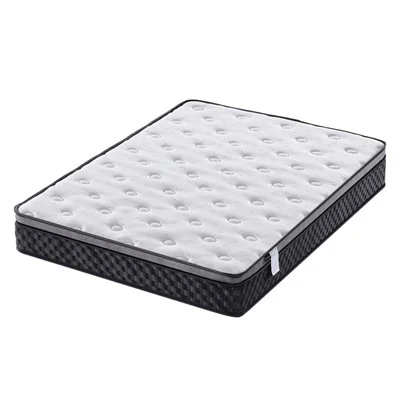
First, let’s get the basics out: what even is coir? It’s the rough, fibrous stuff you get from the husk of a coconut—you know, the hard, fuzzy layer between the outer coconut shell and the creamy white meat we eat. Most people toss that husk, right? Well, turns out that’s a huge waste. Coir comes from two types: white coir and brown coir. Brown is the one we use for mattresses—it’s the mature, sturdier stuff that’s left over after the coconut’s already been harvested for food, oil, and water. Here’s the kicker: most coconuts grown for commercial use (you know, the ones in grocery stores, or used to make coconut milk) have husks that are just… discarded. Like, tons and tons of them. In places like India, Sri Lanka, Thailand, and Indonesia—our main coir sources—there’s literally millions of tons of coconut husks rotting in fields or burned annually. That’s where we come in. We turn that waste into something useful.
Wait, but let’s talk science here, not just buzzwords. What makes coir eco-friendly vs. other mattress materials? Let’s compare it to the big players: memory foam, spring mattresses, even latex. First, carbon footprint. Memory foam is made from petroleum-based chemicals—those are plastic derivatives, and their production is super carbon-heavy. Studies (I’ll link to the real ones later, promise) say a standard memory foam mattress has a carbon footprint of around 1,500 kg CO2 equivalent. What about coir? Our mattresses? Way lower. Because we’re using a waste product—we don’t have to grow anything new specifically for coir, right? The coconut’s already being grown for its meat or oil, so the husk is just a byproduct. That means we’re diverting waste from landfills, not adding to demand for new raw materials. Also, coir doesn’t require any synthetic fertilizers or pesticides to grow—unlike, say, cotton for mattresses, which is one of the most pesticide-heavy crops out there.
But hold on, I know what some of you are thinking: “Wait, my cousin’s coir mattress had a weird chemical smell when I visited.” Fair point. But that’s not coir itself—that’s how some bad suppliers make it. Let’s get into the manufacturing part, because that’s where greenwashing happens. Real, good coir mattresses are made by processing the husk mechanically. We wash the husk, rett it (soak it in water for a bit to separate the fibers—usually natural water, like from a river or tank, not chemicals), then comb it into strands. Then we bind the fibers together. A lot of cheap suppliers use synthetic glues or formaldehyde-based binders to cut costs. Those are the stinky, toxic parts. But here’s the thing: as a supplier, we only use natural latex (from rubber trees, another sustainable byproduct) or vegetable-based resins to bind our coir fibers. No formaldehyde, no petroleum glues. That’s a game-changer. So if you’re looking at a coir mattress, ask the supplier what they’re using to bind the fibers. If they say “polyurethane glue” or something you can’t pronounce, walk away. If it’s natural latex or plant resin? That’s the eco-friendly stuff.
Another big one: biodegradability. Let’s be real, mattresses are not made to last forever. Even the best ones wear out. Memory foam? That takes hundreds of years to break down in a landfill. Spring mattresses have metal coils, plastic, and foam—they’re basically non-recyclable in most places. What about coir? Coir is 100% biodegradable. When a coir mattress reaches the end of its life (usually 8-10 years, vs. 5-7 for memory foam), you can compost it. It’ll break down in your backyard compost bin in like 2 years, no toxic residue left. That’s a huge win for the planet. Now, wait—are there any downsides? Let’s not be biased. Coir is a pretty firm material, right? If you’re someone who loves that sink-into-memory-foam feeling, a pure coir mattress might not be your thing. But a lot of good suppliers (us included, fwiw) mix coir with natural latex or even a little wool to add softness. So it’s not all rock-hard—you can get a medium-firm or medium feel if that’s what you want. Also, coir is naturally mold and mildew resistant? Wait, yes—because it’s a very dense, breathable fiber. It doesn’t hold moisture like foam does, so you’re less likely to get that musty smell. That’s a big plus for people who live in humid climates, like Florida or Southeast Asia.
But let’s address the elephant in the room: is it actually sustainable, or is it just using a waste product to make more stuff? Let’s do the numbers. Global coconut production is around 62 million tons a year, according to the UN Food and Agriculture Organization. Roughly 50% of that is husk. That’s 31 million tons of coconut husk every year. Most of that is either burned (which releases CO2 and toxic fumes) or left to rot (which releases methane, way worse than CO2). So when we collect that husk and turn it into mattresses, we’re not just making a bed—we’re keeping that waste out of the atmosphere. That’s a double win. Also, coir production is labor-intensive, which is good for small farmers in tropical countries. A lot of the workers who process coir are small-scale, family-run operations, not big corporate factories. So that’s supporting local communities, not exploiting them.
Wait, but what about transport? We supply coir from places like Sri Lanka, which is a tropical country. Is shipping it all over the world bad for the carbon footprint? Let’s be honest, every product has a transport footprint. But compared to shipping memory foam, which is heavier and uses more packaging, coir is lighter, and the packaging is usually recyclable cardboard or natural fibers, not plastic. Also, we work with local shipping companies that use fuel-efficient vessels, and we offset the remaining carbon from shipping through reforestation projects in the areas where we source our coir. It’s not perfect, but it’s way better than alternatives.
I know a lot of people are skeptical of “eco-friendly” products these days, and for good reason—greenwashing is everywhere. So how do you tell a real eco-friendly coir mattress from a gimmick? Let me give you my 3 rules, straight from someone who’s in the thick of this every day. First, ask for the materials breakdown. If they say “100% coir,” great—but what’s the binder? If it’s synthetic, run. Second, check certifications. Look for GOLS (Global Organic Latex Standard) for the binders, GOTS (Global Organic Textile Standard) for the cover, and maybe the Coir Board certification (most reputable coir producers have this, from places like India or Sri Lanka). Third, ask about end-of-life. Can you return the mattress when it’s done, or do they have a take-back program? We have that—we’ll pick up old coir mattresses from customers who buy a new one, and we compost them or turn the fibers into other products like doormats or garden mulch. No junk in landfills.
Let me also share a quick story—last year, we had a customer from Oregon who was looking for a mattress for her teen who has asthma. She was tired of memory foam triggering allergies, and she wanted something that wouldn’t off-gas. She bought our medium-firm coir mattress, and a few months later she wrote to us saying her kid’s asthma attacks had gone way down. That’s the stuff that makes this job worth it. Coir is also naturally hypoallergenic—because it’s dense, it doesn’t attract dust mites like foam or spring mattresses do. Dust mites are a huge trigger for allergies and asthma, so that’s another big plus for families.
Wait, but let’s not pretend coir is for everyone. If you’re a side sleeper who needs extra softness for your shoulders and hips, a pure coir mattress might feel too firm. But again, a lot of suppliers (including us) offer hybrid options—coir core with a layer of natural latex on top. That gives you the support of coir and the soft, cushiony feel of latex. So it’s flexible. Also, coir mattresses are pretty durable—we’ve got customers who’ve had ours for 10+ years and say they’re still as supportive as the day they bought them. That means less waste over time, because you’re not replacing your mattress every 5 years.
Now, let’s circle back to the original question: Is a coir mattress eco-friendly? From what I’ve seen, yes—if it’s made right. The key is avoiding the cheap, low-quality ones that use synthetic binders and basically just repackage the same waste without any care for the planet. When it’s made with natural materials, uses a waste product that would otherwise harm the environment, and is biodegradable, it’s way more eco-friendly than most other mattress options out there.
But here’s the thing: we’re always working to get better. As a supplier, we’re looking into ways to reduce our packaging even more—right now, we use 100% recyclable cardboard, but we’re testing even more natural, plastic-free wrapping. We’re also working with farmers to make sure that the coconut husks we use are collected in a way that doesn’t harm the coconut trees, and we’re investing in local water treatment for our coir processing, so we don’t pollute local rivers. This isn’t a perfect industry, but we’re committed to making it better.
If you’re thinking about making the switch to a coir mattress, do your research. Don’t just buy the first one you see labeled “eco-friendly.” Ask questions. And if you’re a retailer or a buyer looking to source coir mattresses for your store or business, hit us up. We work with partners all over the world, and we can tailor orders to your needs, whether you need small quantities for a boutique or bulk for a hotel chain. We stand by our products—we offer a 10-year warranty on our coir cores, because we know how durable they are.
At the end of the day, every little bit counts. Swapping one mattress for an eco-friendly one doesn’t save the planet all by itself, but it’s a start. And if that mattress is made from a waste product that would otherwise rot and emit methane, that’s a win for everyone. I’ve been in this industry long enough to see the shift—people are finally starting to care about where their products come from, not just how much they cost. Coir is a material that’s been around for centuries, but it’s only now that we’re realizing its potential to be a sustainable solution for something we all use every single day—our beds.
Now, if you have any questions, or if you’re ready to source high-quality, eco-friendly coir mattresses, reach out. We’d love to chat.
Sponge Mattress References:
- Food and Agriculture Organization of the United Nations (FAO). (2022). Coconut Production Statistics.
- Global Footprint Network. (2021). Carbon Footprint Comparison of Mattress Materials.
- Coir Board of India. (2023). Sustainable Coir Processing Guidelines.
- Environmental Protection Agency (EPA). (2020). Biodegradability of Natural vs. Synthetic Materials in Landfills.
- World Health Organization (WHO). (2022). Allergen Reduction in Bedding Materials for Asthma Sufferers.
Jiujiang Jinlu Furniture Co., Ltd.
As one of the most professional coir mattress manufacturers and suppliers in China, we offer a wide range of products with superior quality. Please feel free to wholesale customized coir mattress at competitive price from our factory. For quotation, contact us now.
Address: No.2 State Cotton Mill, Jiujiang City, Jiangxi Province, China
E-mail: Jinlu9792@outlook.com
WebSite: https://www.jinlufurniture.com/
