Hey guys, let’s cut the crap—when it comes to choosing men’s snowboarding wear, half the battle isn’t just looking cool on the slopes (though let’s be real, that’s a big one) but actually staying warm, dry, and mobile enough to land that switch 180 or keep from freezing mid-lift line. As a guy who’s been in the men’s wear game for over a decade, I’ve seen so many bros blow it: showing up in a random hoodie and jeans because “it’s just snow,” only to be hypothermic by the first run and stuck on the bench for the rest of the day. Or dropping $500 on a fancy jacket that’s so stiff you can’t bend your knees to carve a turn. Today, I’m breaking down exactly how to pick snowboarding gear that works for your style, your budget, and your actual snow days—no BS, no sales jargon, just straight-up tips I’ve learned from working with thousands of snowboarders (newbies to pros) over the years. Men’s Wear
First, let’s start with the big two: the jacket and pants. These are non-negotiable, and skimping here is a rookie mistake. Wait—don’t mix up skiing and snowboarding gear, either. I see this all the time: a guy grabs a ski jacket, not realizing snowboarding has different needs. Snowboarders sit on the snow way more than skiers, so jacket length matters. A ski jacket might be cropped just above the waist, which rides up when you sit back on your tailbone and lets snow in. A good snowboarding jacket hits mid-hip, so even when you’re plopping down for a snack or tying your boot, your back stays covered. Also, the fit: it shouldn’t be so baggy that you look like a walking sleeping bag, but it shouldn’t be so tight that you can’t layer under it. Most of us wear a base layer, a mid-layer, then the jacket—so leave room for that. No need to size up two sizes, just your regular size, maybe a touch loose if you like to layer thick mid-layers on frigid days.
Waterproofing and breathability are the next big ones, and this is where you don’t cut corners. I get it, some guys want to save cash, but a $100 jacket that’s “water resistant” won’t keep you dry all day. What do the numbers mean? Most good snowboarding wear uses a rating: 10K (10,000 mm waterproof) is the minimum you need for most resorts. If you’re hitting backcountry or days where it’s dumping snow and windy, go 15K or higher. Breathability is measured in grams (g) per square meter per day—10K is standard, 15K+ for super active riders who sweat a lot mid-runs. Why does breathability matter? If your jacket’s waterproof but not breathable, you’ll end up sweating through your base layer, then get cold when you stop for a break. I’ve had this happen so many times: ride hard, sweat buckets, then hop on a cold lift and shiver the whole way up. Annoying, right? Also, check the seams—all the critical ones (shoulders, underarms, hem) should be sealed. If they’re not, snow will seep through even if the jacket is rated.
Now, layering. This is where most new snowboarders mess up—they either wear too much or too little. Let’s break it down simply: base layer, mid-layer, outer layer. Base layer is next to your skin—no cotton, ever. Cotton gets wet and stays wet, so when it’s cold, you’re miserable. Go for merino wool or synthetic fabrics like polyester, which wick moisture away. Merino is softer, doesn’t smell as bad, and is great for all temps. Synthetics are cheaper and dry faster if you do get them wet. For base layers, you don’t want super thick ones—unless it’s like 20 degrees or below. Most days, a lightweight or midweight base layer is perfect. Mid-layer is the insulation—this is what keeps you warm when it’s not snowing super hard, and you can take it off if you start sweating. Fleece is classic, it’s cheap, warm, and easy to pack. Or for colder days, a thin down jacket, but make sure it’s water resistant (regular down gets ruined if it gets wet, and loses all its warmth). Outer layer is your jacket and pants, which we already talked about—these just need to block snow and wind.
Wait, what about pants? Same stuff as jackets, but fit is super important here too. Snowboard pants have a wider leg than ski pants, because when you bend your knees to ride, you don’t want the pants to pull tight. Also, most good snow pants have a gaiter or a snow cuff that goes over your boot—so snow doesn’t get in between your boot and pant leg. No one wants to have cold, wet socks all day. Again, waterproof rating: 10K minimum, same as jackets. And don’t forget adjustable waistbands—super handy if you’re wearing a thick base layer mid-layer, or if you’re just picky about fit. Pro tip: if you’re a guy who likes to hike or do tricks that make you bend a lot, get pants that are a touch longer, but not so long that they drag in the snow.
Now, extra stuff that’s easy to overlook, but will make or break your day. First, gloves (or mittens—mittens are warmer, gloves are better for dexterity if you’re adjusting boots or goggles all the time). Waterproof is non-negotiable here too—nothing worse than cold hands. Look for gloves with a waterproof insert, like Gore-Tex, and if you’re riding in super cold temps, get gloves that have a removable liner so you can take it off if you’re sweating. Also, gauntlet cuffs—these go up past your wrist, so when you’re reaching for something in your pocket, snow doesn’t slide into your gloves. Goggles vs sunglasses: if you’re riding on sunny days where there’s glare, polarized sunglasses work, but if it’s cloudy or snowing, goggles are way better because they wrap around your eyes, keep wind and snow out, and have interchangeable lenses for different light. Oh, and neck gaiters or face masks—windburn is real, and if it’s like below freezing, a neck gaiter will keep that from happening. Don’t skip a helmet either! Even if you’re not a pro, a helmet prevents head injuries, and most snowboard helmets are lightweight and have vents so you don’t get sweaty.
Let’s talk budget, because I know that’s a big one for a lot of you. You don’t need to drop $1,000 on a set of gear to be good. I’ve worked with guys who ride in our entry-level line, which is around $200-$300 for a jacket and pants, and they swear by it. The key is to prioritize: if you’re a casual rider who goes 5-10 days a year, entry-level gear is perfect, just make sure it has at least 10K waterproof/breathable, sealed seams, and a fit that works. If you ride 20+ days a year or go backcountry, mid-range ($300-$500) is worth it—better durability, more features, higher ratings. Top-tier ($500+) is for pros or guys who ride every day, have fancy tech, and are built to last for years. Also, don’t sleep on last year’s models! A lot of brands discount old lines big time at the end of the season, and the only difference is a tiny design change—performance-wise, it’s almost identical.
Wait, style! I know you guys care about looking good on the mountain, right? No one wants to be the dork in the neon orange jacket that clashes with everything. Modern snowboarding wear is way more stylish than it used to be—slimmer fits, muted color palettes, subtle logos. You can go classic black, or mix in a deep blue, gray, or even a muted red that pops without being too loud. A lot of our customers say they love pieces that work on the slopes and even for a post-snow dinner at the lodge—no need to change into a totally different outfit. Just make sure the style doesn’t mess with the fit or functionality. That baggy “vintage” look might look cool on Instagram, but when you’re riding, extra fabric can get caught on your bindings, which is a safety hazard.
Common mistakes I see guys make: first, wearing cotton. I can’t stress this enough—cotton + snow = bad time. Save your old hoodies for apres-ski, not for riding. Second, skimping on waterproofing. I had a customer once who bought a jacket from a department store that said “water resistant” for $80, and after one day of light snow, it soaked through. He ended up buying our mid-level jacket, and said it was way better value long-term. Third, ignoring fit. A jacket that’s too short = snow down your back. Pants that are too tight = can’t bend knees. Fourth, not layering properly. Too much bulk = can’t move. Too little = freezing. Play around with it on a cold day at home—wear your base layer, then your mid-layer, then the jacket, and move your arms and knees to make sure it’s comfortable.
What about for new vs pro riders? If you’re just starting out, you don’t need super high-end gear. Stick to the mid-range entry-level stuff that’s durable, easy to move in, and affordable. Pro riders need gear that’s lightweight, has advanced breathability, and extra protection for tricks and hard landings. But even pros will tell you that fit and mobility matter more than the fanciest tech. I’ve had pro snowboarders come to me saying they switched from top-tier brand X to our mid-range line because it fits better and works just as well. That’s the thing—most of the high-tech features are overkill for casual riders. You just need something that’s waterproof, breathable, fits right, and lets you move.
Oh, and maintenance! Once you have your gear, take care of it, so it lasts. Don’t wash it in regular detergent—use a technical wash like Nikwax or Granger’s, because regular detergent breaks down the waterproof coating. Wash it on a gentle cycle, cold water, and hang it to dry (don’t put it in the dryer, that can melt the coatings). If you notice water beading less on the jacket after a few seasons, you can reapply a waterproof spray to bring it back. That way, you’ll get 5+ years out of your gear, which is way better than buying new every year.
Let’s wrap this up. Choosing men’s snowboarding wear doesn’t have to be complicated. Start with fit—make sure your jacket is mid-length, pants have a wide leg and snow gaiters, room to layer. Prioritize waterproof/breathable ratings (10K minimum, sealed seams). Layer correctly: no cotton, merino or synthetic base, fleece or thin down mid, outer layer as jacket/pants. Don’t forget the extras: gloves, goggles, helmet, neck gaiter. Stay within your budget—you don’t need top-tier unless you’re riding a ton. Style matters, but never at the cost of functionality. And take care of your gear so it lasts.
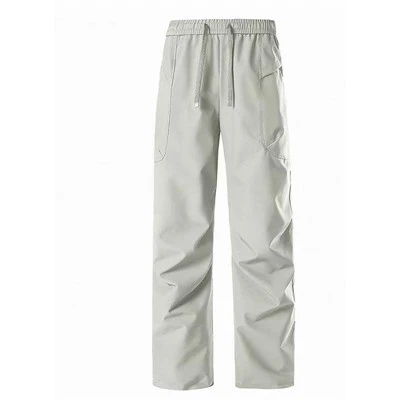
If you’re in the market for new snowboarding wear, we’ve got a full line of gear for every rider, from casual to advanced, all built to balance performance and style. Hit us up to chat about what works for your riding style, your budget, or any questions you have—we’re here to help you stay warm, dry, and looking good on the slopes this season.
Women’s Wear References:
- Outdoor Industry Association. (2022). Snow Sports Gear Performance Standards.
- International Society of Mountaineering Medicine. (2021). Cold Weather Attire and Layering Guidelines for Snow Sports.
- American Council on Exercise. (2020). Moisture Management in Athletic Apparel for Winter Activities.
- Snow Sports Industries America. (2023). 2023 Snow Sports Participant Gear Purchase Trends.
- Gore-Tex Brand. (2022). Waterproof and Breathable Fabric Technology for Winter Apparel.
Tengzhou Jufulong Garment Co., Ltd.
We are one of the most professional men’s wear manufacturers and suppliers in China, also support customized service. With abundant experience, we warmly welcome you to wholesale high quality men’s wear made in China here from our factory. Contact us for free sample.
Address: Zongzhuang Village, Jisuo Town, Tengzhou City, Zaozhuang City, Shandong Province (West of Jisuo Middle School)
E-mail: 17606320177@163.com
WebSite: https://www.jufulongwear.com/
