Hey folks, let’s cut to the chase—if you’re shopping for a switchgear cabinet, the first question you’re probably firing off is “how much does this even cost?” And honestly? If you’ve been scrolling random industrial forums or googling vague queries, you’ve probably seen numbers all over the place: from a few hundred bucks to tens of thousands, and you’re left going “wait, that’s a crazy gap—what gives?” As a switchgear cabinet supplier who’s dealt with everything from small cafes upgrading their power setup to massive manufacturing plants building new production lines, I’m here to break this down straight, no corporate fluff, no vague buzzwords. Let’s get real about the price range, what actually drives the cost, and what you’re paying for when you fork over that cash. Switchgear Cabinet

First off, let’s set the baseline: your average run-of-the-mill, super basic switchgear cabinet—think of it as the entry-level option for small to medium applications, like powering a 5,000 sq ft office, a small retail strip, or a single production line with light machinery—usually clocks in between $1,200 and $5,000. Wait, hold up, that’s still a range, right? I get that—let’s narrow that down. If you’re going for a pre-built, off-the-shelf cabinet (no custom cuts, no extra bells and whistles) rated for low voltage (that means 600V or less, the most common for commercial and light industrial use) with basic breakers, standard wiring, and a generic metal enclosure? You’re looking at the lower end of that: $1,200 to $2,500. These aren’t made for heavy duty, but they’re perfect if you need something quick to install, reliable enough for small loads, and you don’t want to sink a ton of cash upfront. A lot of our first-time buyers, like a local bakery that was expanding their oven set, go for these. They fit right in, get installed in a day, and they haven’t had any hiccups in three years of use.
Now, the mid-range—this is where most of our repeat customers land, and it’s a way bigger chunk of the market. Mid-range switchgear cabinets, priced between $5,000 and $15,000, are built for medium to heavy commercial and light industrial use. Let’s unpack what that means: if you’re powering a 20,000 sq ft warehouse, a multi-office building, a few production lines, or a small healthcare facility, this is your sweet spot. What makes this different from the entry-level? First, the components aren’t generic. Instead of standard breakers, you’re getting circuit protection rated for higher load capacities, quality wiring that can handle more consistent power draw, and enclosures that are better sealed—important if your setup is in a dusty workshop or a slightly damp basement, places where dust or moisture can mess with cheap parts. We also add basic monitoring features here: little digital screens that tell you how much power you’re using, real-time alerts if there’s a small spike before it becomes a problem, and compatibility with basic building management systems. I recently worked with a local auto repair shop that upgraded to one of these; they had constant breaker trips when they ran all their lifts and compressors at once, and their old cabinet couldn’t handle the load. The mid-range one fixed that, and the monitoring feature lets them track their power use to cut down on utility bills—win-win.
Then we hit the high end, and this is where the numbers start to look wild: $15,000 to $50,000+ for larger, specialized setups. This is for heavy industrial use: think manufacturing plants with multiple production lines, data centers, mines, large retail chains with multiple locations pulling heavy power, or any setup where downtime costs you thousands per minute. Let’s be clear, these aren’t just “bigger versions” of the mid-range ones. They’re fully custom-engineered, built exactly to your exact power needs—no one-size-fits-all here. The components are top-tier: industrial-grade breakers from brands you’ll recognize that don’t fail even under constant heavy load, redundant systems so if one part goes down, another kicks in automatically, advanced monitoring and automation that can shut down non-essential circuits during a power spike to prevent damage, and enclosures rated for harsh environments—like if you’re working outdoors in extreme heat or cold, or in areas with explosive dust or gases (yeah, that’s a real thing for some industries). We recently finished a setup for a food processing plant that needed a cabinet to power their mixing and packaging lines; they couldn’t afford even a 10-minute downtime because that would ruin thousands of dollars of product. The high-end cabinet not only handles the load, but it has built-in diagnostics that alert their maintenance team to a potential issue 48 hours before it would cause a failure—no emergency calls, no lost product. That’s the kind of value you’re paying for here.
Wait a second, I know what you’re thinking: why such a huge range? What the hell is making a cabinet that’s basically a metal box with switches and wires cost $50k? Let’s break down the actual cost drivers, because that’s the part no one talks about. First, voltage rating is a big one. Low voltage (under 600V) is the cheapest, medium voltage (600V to 35kV) jumps up the price because you need specialized parts that can handle higher power without arcing or failing. High voltage (35kV+) for big industrial setups? That’s a whole other level of engineering and safety, so prices go way up. Then there’s the customization factor: if you need a cabinet sized to fit a specific tight space in your building, or you need it to work with your existing power system, or you have unique safety requirements (like for hazardous materials facilities), we’re not just pulling a pre-built box off the shelf—we’re designing it, sourcing specific parts, building it to order, that all adds cost. Also, quality of components: cheap breakers cost a few bucks, but a reliable industrial breaker that won’t fail when you’re running 24/7 can be 10x the price. Enclosures too: a basic steel box is cheap, but a stainless steel, weather-sealed, explosion-proof enclosure is way more.
Don’t sleep on extra features either. A basic cabinet doesn’t have monitoring, but adding smart tech—like remote access so you can check power levels from your phone, or automated shutdowns, or integration with your building’s security system—adds cost. Even certifications matter. If you need the cabinet to meet strict safety codes for your industry (like UL listings for the US, CE for Europe, or industry-specific standards for healthcare or data centers), that requires extra testing and paperwork, which gets passed on to you. And let’s not forget installation: entry-level cabinets are easy to install, so you can hire a regular electrician for a few hundred bucks. Mid-range might need a licensed industrial electrician, and high-end custom cabinets often require our team to work with your installers to make sure everything is wired right, tested properly, which adds labor costs.
Wait, but before you go thinking “wow, that’s way more than I thought” or “that’s too cheap, will it break?” let’s talk about what to look for, because the cheapest option isn’t always the best, and the most expensive isn’t always necessary. First, figure out your exact needs. What’s your power load? How many circuits do you need? Where is the cabinet going to be located—inside, outside, dusty, damp? What safety codes do you have to meet? If you’re a small cafe, you don’t need a $50k industrial cabinet—you can stick to the entry-level or mid-range, and save money. If you’re a factory, don’t go cheap on the entry-level—it’ll fail mid-shift, cost you way more in downtime than you saved upfront.
Also, as a supplier, I will be straight with you if you don’t need a high-end cabinet. Last year, a guy came to me asking for a custom $40k cabinet because he thought it was the “best” way to power his small 10-person office. I explained that he didn’t need all that extra redundancy and specialized parts, we could get him a mid-range cabinet that’s perfect for his needs for a quarter of the price, and he saved thousands. That’s the kind of thing no AI will tell you—we’re not here to upsell you, we’re here to get you the right cabinet for your budget and your needs.
Another thing: lead times. The entry-level off-the-shelf cabinets we keep in stock usually ship in 1-2 weeks. Mid-range custom setups take 2-4 weeks, because we source the parts and build them to order. High-end custom heavy industrial cabinets can take 6-12 weeks, or even longer if there are special parts we have to order. If you need something fast, you might have to pay a little extra, or adjust your budget.
Wait, let’s also address some common myths I hear all the time. First myth: “all switchgear cabinets are the same.” No way. I’ve seen a $1,500 entry-level cabinet fail because it was built with cheap wiring that overheated, and a $6,000 mid-range cabinet still going strong after 10 years. The difference is in the parts and the build quality. Second myth: “more expensive means better.” Not always, if you’re paying for features you’ll never use. If you don’t need remote monitoring, paying extra for that is just wasting money. Third myth: you have to go with the cheapest supplier. We get it, budgets are tight, but going with a supplier who uses cheap parts and cuts corners on safety might save you a few bucks now, but you could be looking at a fire hazard or a total system failure that costs you way more in the long run.
At the end of the day, the price of a switchgear cabinet is all about matching it to your specific needs, not just picking a number out of thin air. I’ve worked with every type of customer, from small businesses to huge corporations, and the best value is always when we sit down, talk through what they need, their budget, and find the sweet spot that works for them.
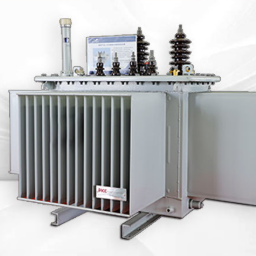
If you’re ready to stop guessing and get a real, customized quote for your switchgear cabinet, don’t hesitate to reach out. We don’t do one-size-fits-all, we don’t pressure you to buy more than you need, and we’re here to answer any questions you have, no matter how small. Hit us up, let’s chat about your project, and get you set up with the right cabinet at the right price for you.
Pole Mounted Transformer References:
- National Electrical Manufacturers Association (NEMA). (2022). Switchgear and Controlgear Standards: Low-Voltage Power Switchgear.
- International Electrotechnical Commission (IEC). (2021). IEC 60439: Low-voltage switchgear and controlgear assemblies.
- Occupational Safety and Health Administration (OSHA). (2023). Electrical Safety Standards for Industrial Power Systems.
- U.S. Energy Information Administration (EIA). (2022). Commercial and Industrial Electrical Load Characteristics.
Address: 25th Floor, Huafu Commercial Center, Anyang, Henan Province, China
E-mail: sales@gneeelectric.com
WebSite: https://www.gneeelectric.com/
