What is the Discharge Rate of the 50 Series Battery?
As a trusted supplier of the 50 Series Battery, I often get inquiries about the discharge rate of our products. Understanding the discharge rate is crucial for anyone looking to use these batteries effectively, whether it’s for industrial applications, renewable energy storage, or consumer electronics. In this blog post, I’ll delve into the concept of discharge rate, explain how it applies to our 50 Series Battery, and discuss its implications for various uses. 50 Series Battery

Understanding Discharge Rate
The discharge rate of a battery is a measure of how quickly it can release its stored energy. It is typically expressed as a multiple of the battery’s rated capacity, denoted by the letter "C". For example, a 1C discharge rate means that the battery is being discharged at a rate that would completely deplete its capacity in one hour. A 2C discharge rate would deplete the battery in half an hour, and a 0.5C discharge rate would take two hours to fully discharge the battery.
The discharge rate is an important factor to consider because it affects the battery’s performance and lifespan. Batteries are designed to operate within a certain range of discharge rates, and exceeding these limits can lead to reduced capacity, increased heat generation, and even damage to the battery. On the other hand, discharging the battery at a very low rate may not fully utilize its capabilities and could result in inefficient operation.
Discharge Rate of the 50 Series Battery
Our 50 Series Battery is designed to offer a balance between high energy density and reliable performance. The specific discharge rate of the 50 Series Battery depends on the model and application requirements. Generally, our 50 Series Battery can support discharge rates ranging from 0.2C to 2C, making it suitable for a wide variety of applications.
Low Discharge Rate Applications
For applications that require a steady and continuous supply of power over an extended period, such as in some renewable energy storage systems or backup power supplies, a low discharge rate is often preferred. Our 50 Series Battery can operate efficiently at a discharge rate of 0.2C to 0.5C, providing a stable power output without putting excessive stress on the battery. This helps to extend the battery’s lifespan and ensures reliable performance over time.
High Discharge Rate Applications
In contrast, applications that demand a high burst of power in a short period, such as in electric vehicles, power tools, or some industrial equipment, require a battery with a high discharge rate. Our 50 Series Battery can handle discharge rates up to 2C, allowing it to deliver the necessary power quickly and efficiently. This high discharge rate capability makes our battery an ideal choice for applications that require rapid acceleration, high torque, or quick charging and discharging cycles.
Factors Affecting Discharge Rate
Several factors can affect the discharge rate of the 50 Series Battery, including temperature, state of charge (SOC), and the battery’s internal resistance.
Temperature
Temperature has a significant impact on the battery’s performance and discharge rate. At low temperatures, the chemical reactions inside the battery slow down, reducing its ability to deliver power. As a result, the discharge rate may be lower at cold temperatures compared to normal operating conditions. Conversely, high temperatures can increase the battery’s internal resistance and cause it to overheat, which can also affect the discharge rate and shorten the battery’s lifespan. Therefore, it’s important to operate the 50 Series Battery within the recommended temperature range to ensure optimal performance.
State of Charge (SOC)
The state of charge of the battery also affects its discharge rate. As the battery discharges, its voltage and capacity decrease, which can limit its ability to deliver power at a high rate. When the battery is nearly fully charged, it can typically support a higher discharge rate compared to when it is partially discharged. Therefore, it’s important to monitor the SOC of the battery and avoid discharging it below a certain level to maintain its performance.
Internal Resistance
The internal resistance of the battery is another factor that affects the discharge rate. A battery with a high internal resistance will experience more voltage drop and heat generation during discharge, which can limit its ability to deliver power at a high rate. Our 50 Series Battery is designed with low internal resistance to minimize these losses and ensure efficient power delivery. However, over time, the internal resistance of the battery may increase due to factors such as aging, overcharging, or deep discharging, which can affect its discharge rate and performance.
Implications for Different Applications
The discharge rate of the 50 Series Battery has important implications for different applications. Here are some examples:
Renewable Energy Storage
In renewable energy storage systems, such as solar or wind power storage, the battery is used to store excess energy generated during periods of high production and release it during periods of low production or high demand. The discharge rate of the battery determines how quickly it can supply power to the grid or the load. A battery with a high discharge rate can respond quickly to changes in demand and provide a stable power output, which is important for maintaining the reliability and stability of the renewable energy system.
Electric Vehicles
In electric vehicles, the battery is the primary source of power. The discharge rate of the battery affects the vehicle’s acceleration, top speed, and range. A battery with a high discharge rate can provide the necessary power for rapid acceleration and high-speed driving, while a battery with a low discharge rate may limit the vehicle’s performance. Additionally, the discharge rate also affects the charging time of the battery. A battery with a high discharge rate can be charged more quickly, reducing the downtime for the vehicle.
Power Tools
In power tools, the battery is used to provide the energy needed to operate the tool. The discharge rate of the battery determines the tool’s power output and run time. A battery with a high discharge rate can provide the necessary power for heavy-duty applications, such as drilling through thick materials or cutting through metal. On the other hand, a battery with a low discharge rate may be sufficient for light-duty applications, such as sanding or screwdriving.
Conclusion
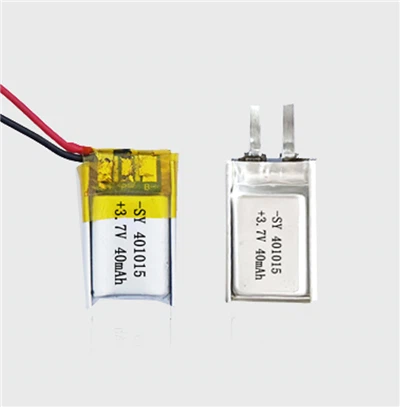
In conclusion, the discharge rate of the 50 Series Battery is an important characteristic that affects its performance and suitability for different applications. Our 50 Series Battery is designed to support a wide range of discharge rates, from low to high, making it a versatile choice for various industries and uses. By understanding the discharge rate and its implications, you can make an informed decision when selecting a battery for your specific application.
60 Series Battery If you’re interested in learning more about our 50 Series Battery or have any questions about its discharge rate or other specifications, please don’t hesitate to contact us. Our team of experts is always available to provide you with the information and support you need. We look forward to discussing your battery requirements and helping you find the best solution for your application.
References
- Battery University: A comprehensive resource for battery knowledge and information.
- Journal of Power Sources: A leading academic journal that publishes research on battery technology and applications.
Hubei Shuoyue Electronics Technology Co., Ltd.
As one of the most professional 50 series battery manufacturers and suppliers in China, we also support custom service. Please feel free to wholesale bulk cheap 50 series battery from our factory. For price consultation, contact us.
Address: Hubei Shuoyue Industrial Park Management Co., Ltd., No. 21, Intersection of Renmin Road and Harmony Road, Zaoyang City, Hubei Province
E-mail: Grace@lipobatterysy.com
WebSite: https://www.hbsy-battery.com/
